
In modern homebuilding, electricity is no longer just about lights and outlets; it powers everything from smart home systems to energy-efficient HVAC units and electric vehicle chargers. Yet, when planning a new build, electrical cost estimation is one of the most misunderstood aspects of budgeting.Homeowners often ask:
- “How do I estimate electrical labor costs for my new home?”
- “What is the average electrical cost for new home construction?”
- “Should I use electrical estimating software or hire a professional estimator?”
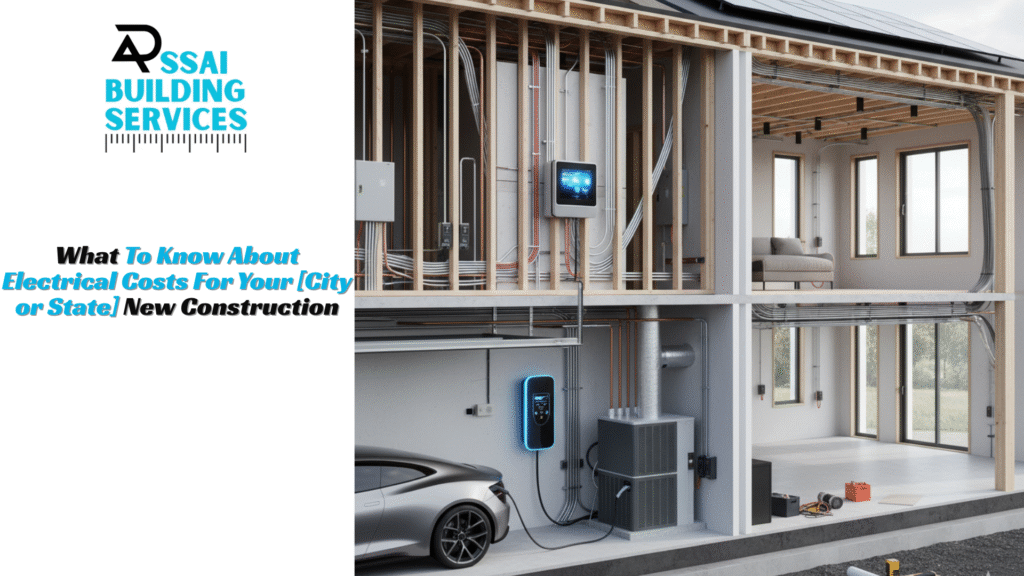
If you’re building a new home or commercial property in [City or State], understanding the electrical cost estimation process is crucial. In this guide, we’ll break down everything you need to know about electrical estimating, from software tools to cost factors, while showing how expert services like Rassai Building Service can simplify the process and save thousands.
Understanding Electrical Cost Estimation in Construction
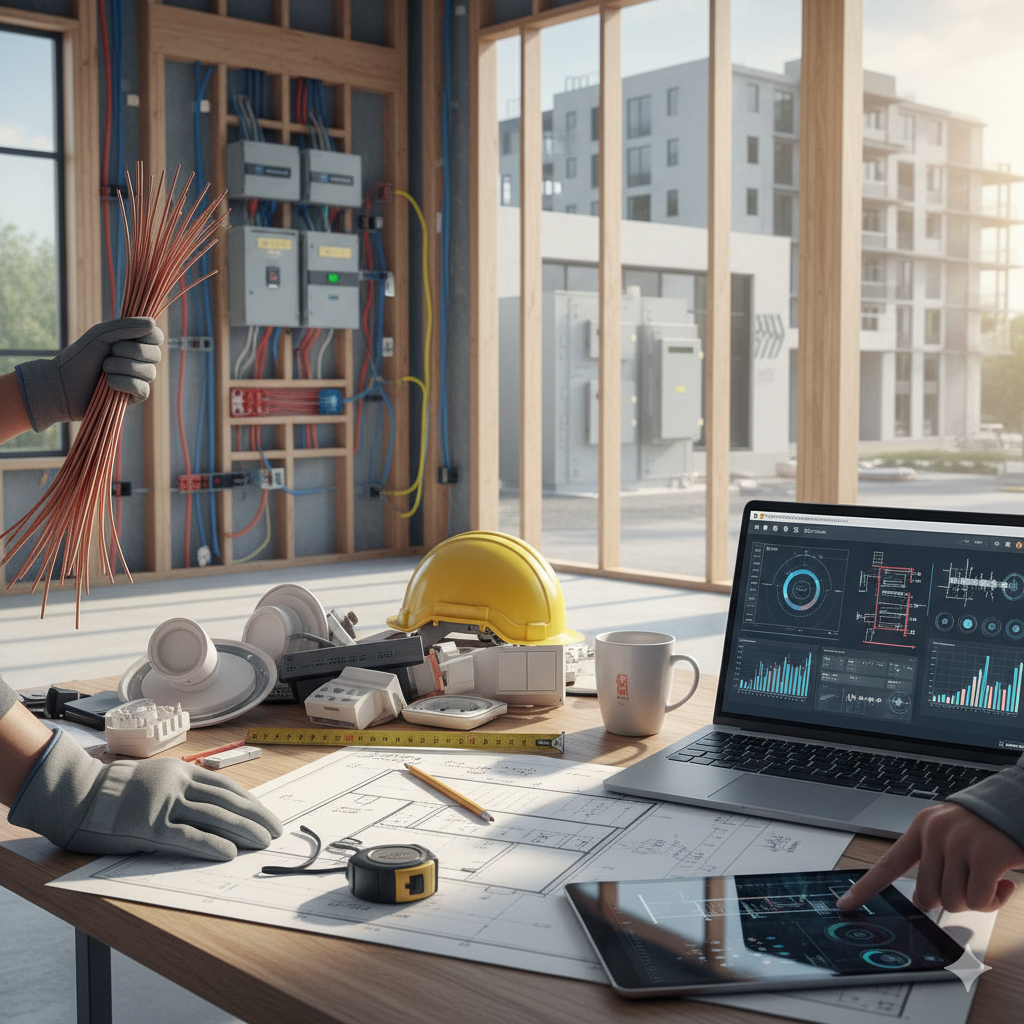
Electrical systems are the backbone of any modern structure. From power distribution to smart automation, your wiring and electrical setup impact both safety and long-term performance.Electrical cost estimating refers to calculating the total expenses of designing and installing an electrical system, including:
- Wiring and circuit installation
- Outlets, panels, and fixtures
- Labor costs
- Conduit and protective gear
- Switchboards, lighting, and control systems
A precise Construction Cost Estimation Service ensures your electrical budget aligns with your entire project from foundation to finishing.
Average Electrical Cost For New Home Construction
The average electrical cost for a new home in the U.S. typically ranges from $3 to $6 per square foot, depending on the design, location, and complexity of the wiring system.
| Home Size (Sq. Ft.) | Estimated Electrical Cost Range | Notes |
| 1,000 sq. ft. | $3,000 – $6,000 | Basic 2-bedroom home |
| 2,000 sq. ft. | $6,000 – $12,000 | Standard family home |
| 3,000 sq. ft. | $9,000 – $18,000 | Larger home with advanced systems |
| 5,000 sq. ft.+ | $15,000 – $30,000+ | Includes smart lighting & automation |
Tip: For accurate projections, use a professional electrical cost estimator or rely on Construction Estimating services that analyze both labor and material rates in your local market.
Key Factors That Affect Electrical Costs
Understanding what drives up or reduces costs helps you make smarter budgeting decisions.
1. Size and Layout of the Property
Larger homes require more circuits, outlets, and longer wiring runs, increasing both material and labor costs.
2. Electrical Load Requirements
A modern home might include EV chargers, HVAC systems, security setups, and more. Calculating estimated electrical loads for buildings ensures proper panel sizing and circuit capacity.
3. Material and Fixture Quality
High-end fixtures, recessed lighting, or copper wiring increase costs compared to standard-grade materials.
4. Labor and Regional Rates
Labor rates vary by state. Electricians in California or New York often charge 20–30% more than those in smaller cities or states like Mississippi or Alabama.
5. Energy-Efficient Installations
Smart lighting, solar systems, and efficient wiring may cost more upfront but lower long-term energy bills.
How To Estimate Electrical Labor Cost
Labor typically represents 40–60% of total electrical expenses.
To calculate it effectively, follow these steps:
- Measure total wiring length and circuit count.
- Estimate installation time (in man-hours) based on complexity.
- Multiply hours by the regional labor rate (average $65–$120/hour in the U.S.).
Example:
If your 2,000 sq. ft. home requires 100 hours of electrical work at $80/hour, your electrical labor cost = $8,000.You can also use electrical estimating software to automate this process and minimize manual errors.
Using Electrical Estimating Software and Programs
Modern electrical estimating programs simplify complex calculations, ensuring precise and efficient project estimates.
Top Benefits:
- Automated material takeoff and labor calculations
- Integration with national pricing databases
- Real-time cost updates for materials and labor
- Easy export to invoices and budgets
Popular Tools:
| Software Name | Best For | Notable Features |
| PlanSwift | Residential projects | Blueprint integration & real-time takeoffs |
| Trimble Accubid | Commercial construction | Comprehensive electrical estimating tools |
| ConEst IntelliBid | Large-scale projects | Labor unit databases & detailed analytics |
| TurboBid | Small contractors | User-friendly interface for quick estimates |
Still, even the best electrical estimating software requires professional oversight. That’s why homeowners and contractors prefer working with Rassai Building Service ,a trusted name in Construction Cost Estimation Service across the U.S.
Residential vs. Commercial Electrical Cost Estimation
Electrical systems differ drastically between residential and commercial projects.
| Type | Average Cost per Sq. Ft. | Key Components |
| Residential | $3 – $6 | Outlets, lighting, panels, switches |
| Commercial | $8 – $15 | Backup generators, transformers, conduits |
For large projects, an electrical estimate for commercial building includes load assessments, wiring schematics, and advanced energy efficiency planning.With Rassai Builder’s professional estimators, clients receive digital quantity takeoffs, detailed reports, and precise schedules tailored to their location whether in Pearl, Mississippi, or other U.S. cities.
Why Hire a Professional Electrical Estimator?
Even with powerful electrical cost estimating software, nothing replaces human experience. A skilled electrical estimator can:
- Interpret complex blueprints accurately
- Identify code compliance requirements
- Adjust for local pricing variations
- Prevent over- or under-budgeting errors
A professional estimation team ensures your project aligns with safety codes and financial goals.When working with Construction Estimating services at Rassai, you get more than numbers, you get expertise, reliability, and peace of mind.
Sample Electrical Cost Breakdown Table
| Category | Cost Range | Description |
| Main Panel & Circuits | $1,500 – $3,000 | Includes breaker installation |
| Lighting & Fixtures | $2,000 – $4,000 | Ceiling lights, fans, dimmers |
| Outlets & Switches | $800 – $2,000 | Standard & smart outlets |
| Wiring & Cabling | $2,000 – $5,000 | Copper/aluminum wiring |
| Labor | $4,000 – $8,000 | Licensed electricians |
| Inspections & Permits | $300 – $800 | Local code compliance |
| Total Estimate | $10,000 – $22,000 | For a 2,000 sq. ft. home |
Regional Electrical Cost Trends
Electrical installation costs vary widely across states.
For example:
- Florida: Higher due to hurricane-resistant standards.
- California: Increased labor rates and strict energy codes.
- Texas: Moderate labor rates and material costs.
- New York: Premium costs due to dense building codes.
Explore your region’s service availability via Rassai Building Services on Google Maps
Tips For Reducing Electrical Costs
- Plan Early: Coordinate with your estimator before finalizing floor plans.
- Bundle Services: Combine plumbing and electrical estimates under one provider like Rassai Builder Service for better pricing.
- Use Smart Design: Limit unnecessary outlets or complex circuits.
- Buy Materials in Bulk: Save on wiring, switches, and conduit when ordered early.
- Leverage Energy Efficiency Incentives: Tax credits can offset smart system costs.
Why Trust Rassai Building Services
Experience: Decades of combined expertise in U.S. residential and commercial estimation.
Expertise: Certified professionals using the latest electrical estimating programs and building code knowledge
Authoritativeness: Featured in industry networks for precision and accuracy.
Trustworthiness: Transparent reporting, fair pricing, and client-first focus.
Whether you’re developing a new home in Pearl, Mississippi, or a commercial project in Florida, Rassai Building Services provides end-to-end estimation ensuring every wire, switch, and socket fits your budget.You can also explore our detailed guide:How Much Will My Concrete Project Cost? We Break It Down
FAQs: Electrical Cost Estimation For New Construction
1. What Is The Average Electrical Cost For A New Home?
The average electrical cost for new home construction in the U.S. is $3–$6 per sq. ft., depending on design complexity and location.
2. How Do I Estimate Electrical Labor Costs?
Multiply estimated labor hours by local electrician rates ($65–$120/hour). For precision, use electrical estimating software or hire professionals.
3. What Is The Difference Between Residential And Commercial Electrical Estimating?
Commercial projects include heavier load systems, conduits, and safety standards costing 30–60% more than residential.
4. Can Electrical Estimating Software Replace A Professional Estimator?
No. Software provides accurate numbers, but professional estimators ensure code compliance and realistic budgeting.
5. Where Can I Get Reliable Electrical Cost Estimates Near Me?
Contact Rassai Building Service offering expert Construction Cost Estimation Services in all U.S. states and cities, including Pearl, Mississippi, and nearby areas.