Back when building meant muscle and guesswork, no digital plans, no cost calculators, just raw experience and hand-drawn sketches. Fast forward to today, and accuracy is everything  especially when it comes to estimating metal fabrication costs.
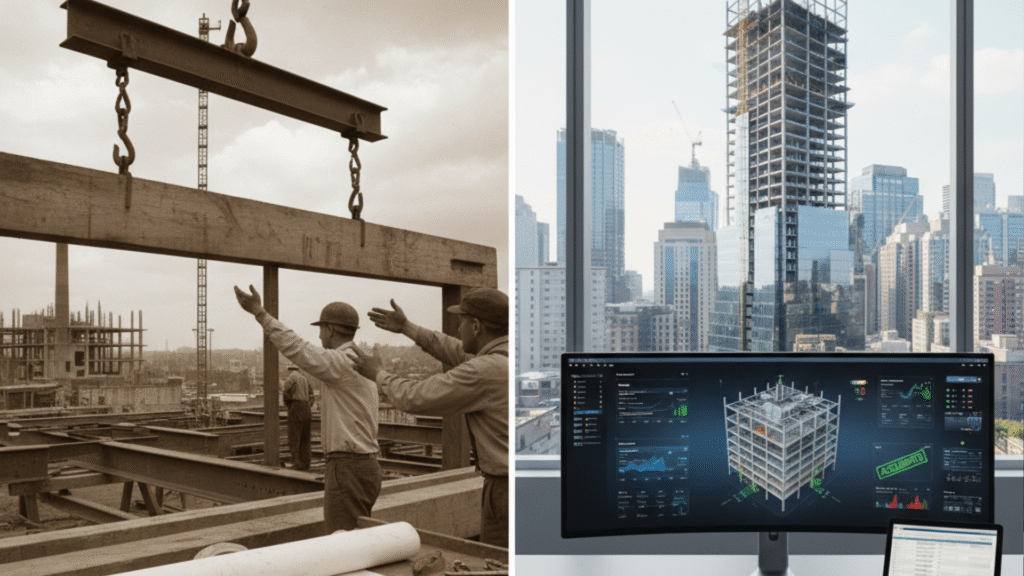
In the world of modern construction, even the smallest miscalculation in steel weight or sheet metal quantity can shift your budget by thousands. Whether you’re a contractor, builder, or project owner, understanding how to estimate your metal fabrication project costs with precision is the key to keeping your bottom line on track.At Rassai Building Services, our mission is to make construction cost estimation simple, transparent, and accurate across all major states and cities in the USA.

Why Metal Fabrication Estimation Matters
Metal fabrication is at the core of many construction projects  from roofing and framing to HVAC ductwork and custom steel structures. Every piece of metal, every weld, and every joint contributes to both the strength and cost of your project.Without proper cost estimation, it’s easy to underestimate:

  • Material weight and volume
  • Labor hours
  • Fabrication complexity
  • Equipment usage

Even a 5% miscalculation can cause major budget overruns, project delays, or rework especially in large-scale commercial builds or metal roof installations.

Understanding The Components Of Metal Fabrication Costs

Accurate estimation starts with breaking down the major cost components:

Category Description Estimated Cost Range (USD)
Raw Material (Steel, Aluminum, etc.) Depends on metal type, thickness, and grade $1.20 – $5.50 per lb
Cutting & Forming Labor Skilled labor and CNC operations $45 – $120 per hour
Welding & Assembly Manual or automated welding, assembly costs $60 – $150 per hour
Finishing (Coating, Painting, etc.) Powder coating, galvanizing, etc. $2 – $8 per sq. ft
Transportation & Handling Freight, delivery, and logistics $0.25 – $0.75 per lb

These numbers vary based on project complexity and location, but they provide a realistic framework to start your estimation.

Step 1: Start With An Accurate Takeoff

Every great estimate begins with a great takeoff.A takeoff is the process of quantifying materials from drawings or blueprints. For metal fabrication, this includes:

  • Sheet metal sizes
  • Structural steel lengths
  • Quantity of fittings, bolts, and fasteners
  • Welding and cutting requirements

Using advanced construction takeoff software or partnering with expert quantity takeoff services helps eliminate human error and ensures your material counts are spot on.

Recommended Tools

Software

Best For

Cost (Monthly)

Bluebeam Revu

General metal takeoffs

$20 – $50

PlanSwift

Estimation integration

$25 – $40

eTakeoff

Large-scale commercial jobs

$30 – $60


Step 2: Calculate Material Costs Using Modern Estimators

Once you have your quantities, plug them into a metal roof cost estimator or metal building price estimator.

For example:

  • Steel Roof Installation: Average cost per sq. ft ranges from $7 – $14 (materials + labor).
  • Metal Building Construction: Typically $12 – $25 per sq. ft, depending on design complexity and load requirements.

Type of Metal

Average Cost per sq. ft (Installed)

Durability (Years)

Galvanized Steel

$7 – $10

40–60

Aluminum

$9 – $13

30–50

Copper

$14 – $20

70+

Stainless Steel

$10 – $16

50–70

Having access to accurate, real-time cost data ensures your project estimates reflect actual market trends  not outdated averages.

Step 3: Estimate Labor Costs Realistically

Labor is one of the most overlooked factors in metal fabrication cost estimation. Skilled metalworkers, welders, and installers vary by region and project type.

Task

Average Hourly Rate (USD)

Region Example

Welding

$60 – $150

Michigan, Arizona

Sheet Metal Forming

$45 – $100

Texas, Florida

Framing Installation

$50 – $120

California, New York

To keep your labor projections realistic, it’s critical to analyze productivity rates, local wages, and overtime possibilities.

Step 4: Include Hidden Costs That Add Up

Many project budgets fail because they overlook the “invisible” costs that appear mid-construction. These include:

  • Equipment rentals (cranes, lifts, welders)
  • Material waste (typically 5–10%)
  • Transportation and handling
  • Site preparation and safety compliance

Use the Construction Estimating Services page to get a professional breakdown of these elements before you finalize your bid.

Step 5: Use Construction Estimation Experts

If you’re not a full-time estimator, it’s nearly impossible to keep up with fluctuating steel prices, labor rates, and fabrication standards. That’s where expert help saves both time and money.

Rassai Building Services specializes in Construction Cost Estimation Services for residential, commercial, and industrial projects across the USA. Our estimators use industry-grade tools and multi-year data analysis to deliver accurate takeoffs, cost breakdowns, and budget forecasting.

You can even explore the Google Maps location here to check our service area coverage across all Pearl states and nearby regions.

Step 6: Optimize With Metal Building Estimation Software

Modern metal building estimators are revolutionizing how contractors plan projects. These tools integrate real-time pricing, labor cost tracking, and takeoff data in one dashboard.Popular options include:

  • Estimator360 – For end-to-end project tracking
  • STACK Construction – Cloud-based takeoffs and cost modeling
  • Rassai Builder Service – Custom estimation and consultation for USA contractors

Step 7: Compare Metal vs. Other Materials

Cost-efficiency depends not only on the type of metal but also the material choice versus traditional options.

Material Type

Average Installed Cost per sq. ft

Maintenance Level

Lifespan (Years)

Metal Roofing

$8 – $15

Low

40–70

Asphalt Shingles

$3 – $6

High

15–25

Concrete Tiles

$10 – $20

Moderate

50–70

This comparison helps clients understand long-term savings, not just upfront costs.

Step 8: Account For Fabrication Complexity

Custom metal fabrication (architectural elements, ductwork, decorative steel) adds design complexity that directly impacts pricing.

  • Simple Frames: $12 – $18 per sq. ft
  • Complex Assemblies: $20 – $45 per sq. ft
  • Custom Finishes: Add $3 – $7 per sq. ft

Consulting with professionals ensures you price these specialized features correctly before quoting a client or approving budgets.

Step 9: Track Real-Time Market Trends

Metal pricing fluctuates weekly based on global demand, raw material costs, and import duties. A good estimator stays updated through:

  • Steel Market Index Reports
  • Supplier Bulletins
  • Regional Price Averages

Rassai Building Services’ team continuously updates their database to ensure your project estimates match current market conditions, not last quarter’s rates.

Step 10: Review, Verify, And Adjust

After compiling all cost components materials, labor, overhead, and contingencies  review your estimate with your team or professional estimator. Even small revisions can save thousands.

If you’re unsure where to begin, our blog 

Frequently Asked Questions

1. What is a takeoff in metal fabrication?

A takeoff is the process of measuring and listing all materials — like sheet metal, beams, and fasteners — from your project plans before pricing begins.

2. How do I estimate the cost of a metal roof?

Use a metal roof estimator or work with a construction cost estimation service. Factors include size, type, labor, and region.

3. Are metal roofs more expensive than shingles?

Initially, yes — but their durability (up to 70 years) means long-term savings and fewer replacements.

4. Can I estimate my metal building costs online?

Yes! Try a metal building cost estimator or reach out to Rassai Building Service for a custom estimate.

5. Why should I hire professional estimators?

Experts prevent budget overruns, account for hidden costs, and ensure your bid reflects current material and labor prices.

Leave a Reply

Your email address will not be published. Required fields are marked *